






























Begoña Gómez, esposa de Pedro Sánchez, citada a juicio por 5 delitos de corrupción: tráfico de influencias, malversación, cohecho, blanqueo y organización criminal
La juez instructora del Juzgado de Instrucción número 41 de Madrid ha dictado auto de apertura de juicio oral contra Begoña Gómez, esposa del presidente del Gobierno Pedro Sánchez, por cinco delitos graves: tráfico de influencias, malversación de caudales públicos, cohecho, blanqueo de capitales y pertenencia a organización criminal. La decisión se produce tras la instrucción de la causa iniciada por denuncia de Manos Limpias y apoyada por Vox, con indicios de aprovechamiento de su posición para beneficiar a empresas privadas a cambio de contratos y favores públicos. El juicio se celebrará previsiblemente en 2026 y podría implicar penas de hasta 15 años de prisión.

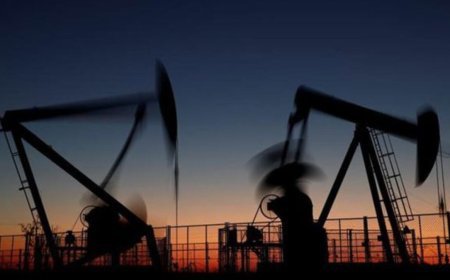
- The Japanese government has submitted a formal proposal to the Trump administration to begin significant imports of Alaskan crude oil, with the explicit goal of reducing its dependence on Middle Eastern crude, which currently accounts for nearly 90% of its imports. The initiative arises as a direct response to the military escalation between Iran and Israel, which has generated fears of a blockade or attacks in the Strait of Hormuz, the main transit route for oil to Asia.
- According to sources at Japan's Ministry of Economy, Trade and Industry (METI), Alaskan crude could reach Japanese ports in as little as 12 days via North Pacific routes, compared to the 20-25 days it takes from ports in the Persian Gulf. This time difference represents a critical strategic advantage in a scenario of maritime disruptions or attacks on oil tankers. The proposal includes the construction or expansion of receiving terminals on Japan's west coast, as well as long-term agreements with US producers in Alaska (North Slope) and companies such as ExxonMobil, ConocoPhillips, and Hilcorp, which operate in the region.
- Japan argues that diversifying energy sources would reduce exposure to geopolitical risks and improve national energy security, especially given the possibility that the Iran-Israel conflict could lead to a global oil crisis. In Washington, the proposal has been welcomed by the U.S. oil lobby and Republican lawmakers from Alaska, who see the initiative as an opportunity to revive production on the North Slope and reduce Asia's dependence on the Middle East. Senator Dan Sullivan (R-Alaska) called the proposal "a strategic win for the United States and a blow to the Iran-China axis in global energy." The White House has not issued an official comment, but sources close to the matter indicate that the Trump administration is evaluating the idea as part of its "America First" energy policy.
- The announcement comes at a critical time: Brent crude prices are above $95 a barrel, and wartime insurance for oil tankers has increased by 300% in recent weeks. Japan, which lacks its own energy resources, maintains strategic reserves for about 240 days, but a prolonged disruption in the Strait of Hormuz could trigger severe energy inflation and an industrial recession. The Japanese government emphasized that the proposal does not imply a break with the Middle East, but rather “smart diversification.” However, analysts in Tokyo warn that any significant agreement will require multi-billion-dollar infrastructure investments and could face domestic opposition from environmental and peace groups.
What's Your Reaction?