
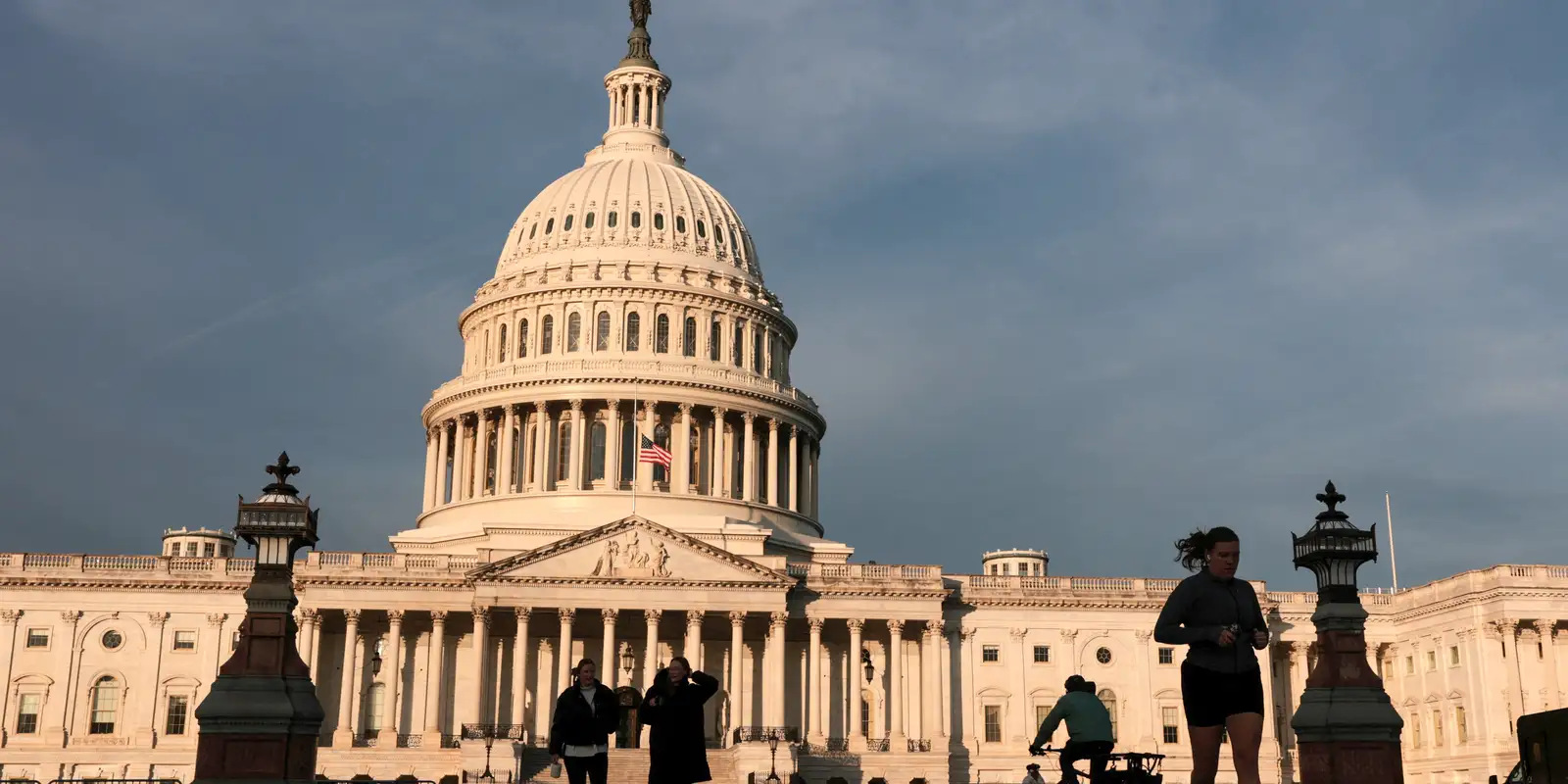
The upcoming day 3 of October marks the election of members of the U.S. House of Representatives and the selection of 35 of the 100 members of the Senate in the United States. Approximately 210 million voters will be called to cast their ballots, with the goal of electing all representatives of the House and, in 36 of the 50 states, choosing governors. The vote is fundamental in determining the political future of President Donald Trump, as the outcome could alter the composition of Congress and, consequently, the ability to implement his policies.
Political context: the role of Congress in the U.S.
The United States Congress is composed of two chambers: the House of Representatives and the Senate. The House is directly elected by citizens, with each state having a number of representatives proportional to its population. The Senate, on the other hand, consists of 100 members, with each state having two representatives regardless of population size. The election of 35 Senate seats on Wednesday is crucial, as it could result in a change of majority in the legislative body.
Currently, both chambers have a tight Republican majority. This means that even with the possibility of a Democratic victory, the White House still maintains significant room for maneuver to implement its policies. The Republican majority in Congress has been a decisive factor in the approval of laws and government actions that reflect Trump's ideological stance, such as national security policies, immigration control, and positions on international issues.
President's disapproval and public opinion indicators
According to opinion surveys released by Agência Brasil, President Donald Trump's disapproval has reached 61% among U.S. voters, while approval has dropped to 36%. This shift occurred over the past months, indicating a growing dissatisfaction with the president's administration, especially in areas such as economic policy and national security.
The rise in disapproval is linked to several factors. Among them, the increasing cost of living stands out as one of the primary reasons for the loss of support. Inflation, which has already surpassed 3%, directly affects citizens' incomes, particularly in sectors such as food, transportation, and energy. This situation has been pointed out as one of the reasons why Democrats are gaining ground in polls.
Foreign policy and economic impact
One of the main actions of President Trump in the foreign policy arena was the initiative of war against Iran, which began in 2024 with restrictions on navigation in the Strait of Hormuz. These measures were justified as a means to protect U.S. interests regarding the security of fuels and global supply chains.<\/p>
Despite the security justification, the measure led to an increase in international fuel prices. The strait is one of the main passages for oil, and navigation restrictions increased demand and costs. Agência Brasil points out that this foreign policy is directly linked to inflation rise, which in turn impacts citizens' lives and government confidence.<\/p>
Political repercussions in Brazil
The outcome of the U.S. election has direct repercussions in Brazil, especially regarding diplomatic relations and the international political environment. The U.S. opposition has questioned the White House about alleged interference by Trump in Brazil, such as funding electoral campaigns against the Supreme Federal Court (STF).<\/p>
This accusation, although not officially proven, has generated tension between the two countries. Even without concrete evidence of direct interaction, concern about U.S. influence in Brazilian politics persists, especially in governance and fundamental rights. A democratic victory in Congress could lead to a shift in diplomatic posture, with greater attention to dialogue with Brazil and the defense of common interests.<\/p>
Reactions of Brazilian leaders and the international context
Despite the absence of official direct statements by Brazilian leaders on the American election, the impact is felt in the political and media environment. Although Brazil is not directly involved in the voting, U.S. foreign policy directly influences bilateral relations, especially in areas such as security, trade, and international cooperation.<\/p>
In a scenario of greater disapproval of President Trump, Democrats may pursue a more balanced and collaborative approach with countries like Brazil. The possibility of a Democratic majority in Congress could open space for a new foreign policy, emphasizing cooperation and diplomacy rather than unilateral actions.<\/p>
Conclusion and future perspectives
The outcome of the U.S. election this Wednesday will be one of the main political events of the year. The possibility of a Democratic victory in Congress represents a significant shift in U.S. political dynamics, with direct implications for foreign policy and relations with Brazil.<\/p>
Despite the Republican majority still being consolidated, the growing disapproval of the president and the economic and social impacts of his policies suggest that Trump's trajectory may be undergoing a transition. The election is not merely an internal U.S. event, but one that influences the international climate, especially regarding cooperation between countries in North and South America.<\/p>
For Brazil, what is at stake is the continuity of a dialogue and cooperation environment with the United States, or the possibility of a shift in political posture that prioritizes national independence and the defense of common interests. The next phase of U.S. politics will therefore be a key factor in the development of bilateral relations in the 21st century.<\/p>