
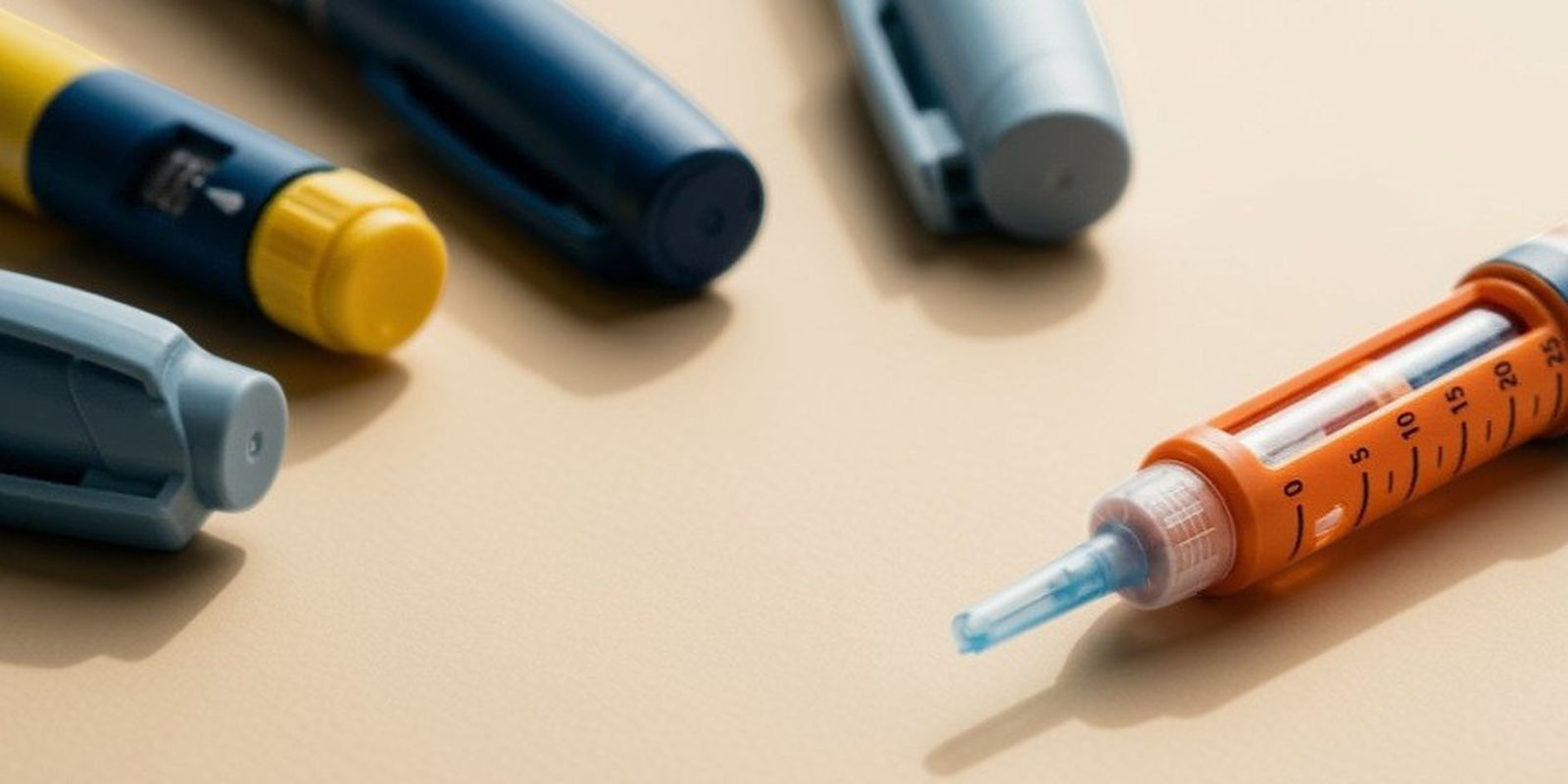
The registration of five new injectable medications for the treatment of type 2 diabetes and obesity was officially approved by the National Sanitary Surveillance Agency (Anvisa) in 2026. The products will be marketed in the form of injection pens, containing the active ingredients semaglutide or liraglutide. These substances belong to the class of GLP-1 receptor agonist medications, known for directly acting on the patient's metabolism, assisting in blood glucose control and weight loss.<\/p>
Which medications have been approved?<\/h2>
The five approved products are all based on active substances that act on the human body's hormonal system, with a focus on appetite regulation and metabolic response. Three of the medications are specifically indicated for the treatment of type 2 diabetes. The first is Aribet, which contains liraglutide and is manufactured by the Indian laboratory Biocon. Aribet is marketed by Farma Vision Importação e Exportação de Medicamentos Ltda. The second medication is Embeltah, composed of semaglutide, produced by the laboratory OneSource Specialty and registered by Dr. Reddys Farmacêutica do Brasil.<\/p>
The remaining two products, although not specifically detailed in the sources, belong to the same class of medications and are intended for obesity treatment. The composition and clinical indications of these products were not detailed in the available sources, but they align with the use of GLP-1 receptor agonists, commonly used in treatment protocols for moderate to severe obesity.<\/p>
What is the GLP-1 receptor and how does it work?<\/h2>
GLP-1 (Glucagon-Like Peptide-1), or Glucagon-Like Peptide-1, is a naturally produced hormone in the human intestine after food intake. Under ideal conditions, this hormone acts on the brain to generate the sensation of satiety, reducing appetite and regulating insulin production. The activity of GLP-1 is fundamental for metabolic balance, especially for blood glucose control.<\/p>
Medications based on GLP-1, such as semaglutide and liraglutide, are considered agonists — that is, substances that mimic and act like the natural hormone. When administered via injection, these active ingredients mimic the action of GLP-1 in the body, stimulating the sensation of satiety and improving metabolic response. This makes treatment more effective for patients with type 2 diabetes, where blood glucose regulation is disrupted, and for individuals with obesity, where excess weight affects overall metabolic health.<\/p>
Which laboratories and companies are involved?<\/h2>
The five approved pens were produced by two Indian laboratories: Biocon and OneSource Specialty. These laboratories have established experience in the production of clinical medications, particularly in the fields of pharmacology for weight management and diabetes. Production in Brazil is carried out in partnership with Brazilian companies that operate in importation, registration, and distribution.<\/p>
The Brazilian companies involved in the registration process are Farma Vision Importação e Exportação de Medicamentos, Aché Laboratórios Farmacêuticos, and Dr. Reddys Farmacêutica do Brasil. Farma Vision is responsible for the commercialization of Aribet (liraglutide), while Dr. Reddies holds the registration of Embeltah (semaglutide). Although Aché Laboratórios Farmacêuticos is not specifically detailed, it participated in the registration process of the five medications, indicating its role as an intermediary between the manufacturer and distributor in the Brazilian market.<\/p>
Context of the approval and its public health relevance
The approval of five GLP-1 pens represents a significant advancement in the availability of treatments for type 2 diabetes and obesity in Brazil. These conditions are highly prevalent in the country, with data indicating that over 15 million Brazilians suffer from type 2 diabetes and that obesity affects more than 20% of the adult population. The availability of medications with direct action on metabolism can improve the quality of life of thousands of patients.<\/p>
Moreover, the approval occurs at a time when public health policies focused on prevention and treatment of chronic diseases are being intensified. The Unified Health System (SUS) has already announced that it will offer weight-loss pens to patients with obesity, demonstrating the government's commitment to ensuring access to effective treatments. The entry of these medications into the market may facilitate the expansion of such offerings, especially in health units in the country's interior.<\/p>
Regulation and sanitary surveillance in Brazil
Anvisa is the agency responsible for the evaluation and approval of medications in Brazil. The registration process involves an analysis of product safety, efficacy, and quality, based on clinical and human trial data. The approval of the five medications occurred after a rigorous evaluation of the data submitted by the manufacturers and by the Brazilian companies involved in the registration process.<\/p>
It is important to highlight that the Anvisa had already issued warnings about the market of unregistered slimming pens. In 2026, the agency prohibited the sale of unregistered slimming pens online, warning about the risk of counterfeit or ineffective products. The approval of the five new medications, with official registration and production in verified laboratories, reinforces the importance of regulation and transparency in the Brazilian pharmaceutical market.
Implications for patients and the health system
For patients with type 2 diabetes or obesity, the availability of these medications may represent a new therapeutic option, with potential to improve blood glucose control and reduce the risk of complications such as cardiovascular diseases, neuropathies, and renal insufficiency. The pen-based administration form is more practical and accessible than intramuscular injections, especially for patients requiring daily treatment.
Access to these medications can be expanded through the SUS, which is already in the process of integrating these products into health plans. By offering slimming pens to patients with obesity, the SUS demonstrates an important step toward health policies more patient-centered, with a focus on prevention and integrated treatment.
However, there are still no data on the immediate availability of these medications in public health posts or hospitals. Distribution may depend on acquisition protocols, according to the capacity of care and the local health infrastructure. The expectation is that, over time, these medications will become an integral part of clinical protocols for patients with diabetes and obesity.
Future perspectives and challenges
Despite the approval, there are still challenges to the broader use of these medications in Brazil. The main barrier is cost, as GLP-1 class medications tend to be expensive, even with registration in the SUS. The long-term efficacy and safety of these treatments are still being studied on a large scale, and continuous monitoring is necessary to ensure patient well-being.
Another important point is the need for patient education and guidance on proper pen usage. Injection administration, even with modern devices, requires training and medical supervision. A lack of training in health units may limit actual access to these medications, even with official approval.
Looking ahead, the entry of these medications into the market could mark the beginning of a new era in the management of chronic diseases in Brazil. The combination of pharmaceutical innovation with public health policies could drive the reduction of severe cases and improve the quality of life for millions of people. However, the success of this model will depend on the health system's ability to ensure equitable access and adequate clinical follow-up.<\/p>