
Lead
Behind the rapid rise of artificial intelligence lies a quiet financial crisis in the infrastructure that powers it. While headlines focus on tech giants and AI breakthroughs, a growing number of data centre operators—many of which are small, unlisted, or obscure—now hold tens of billions of pounds in debt. These firms, operating at the backbone of AI training and deployment, are increasingly seen as vulnerable to market shocks, fueling fears that the so-called 'AI bubble' could burst.
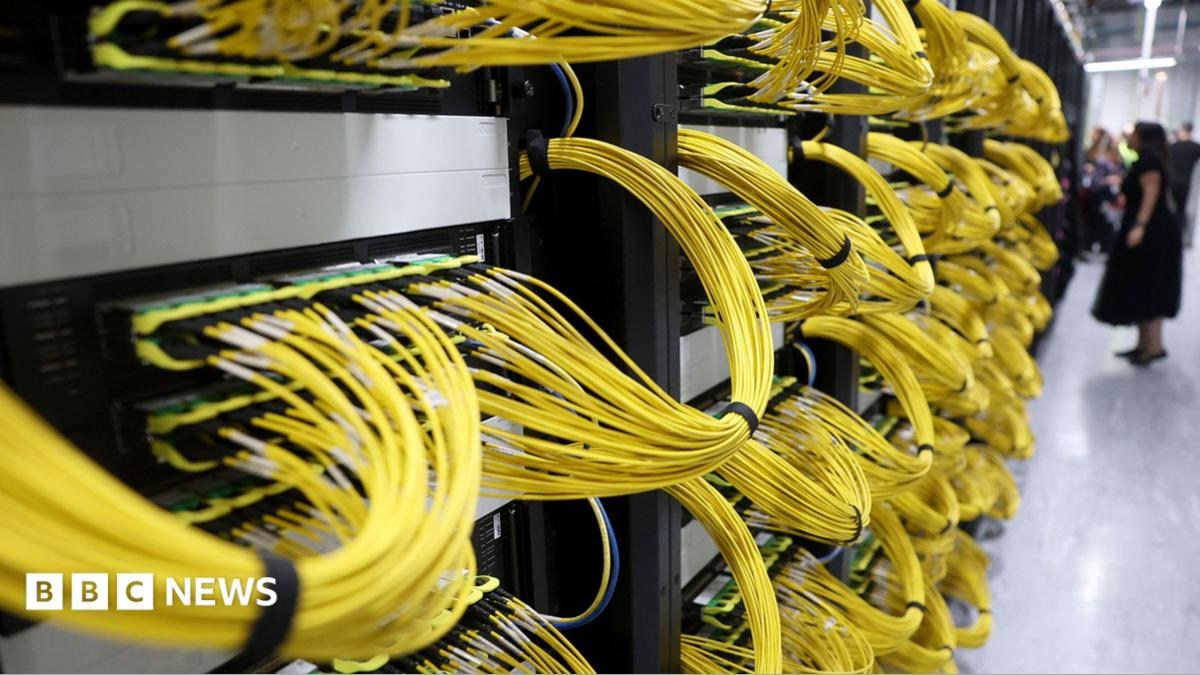
The concern is not about the technology itself, but about the financial health of the companies that maintain the physical infrastructure required for AI. Data centres are the physical engines of AI systems—housing servers that process vast amounts of data, train machine learning models, and store information. As AI adoption accelerates across industries, demand for these facilities has surged, leading to a dramatic expansion in the number of data centres globally. However, this growth has been matched by a surge in debt financing, with many operators relying on loans and credit lines to fund construction and operations.
Debt in the Data Centre Sector
The financial burden on data centre operators is now measured in the tens of billions of pounds. According to reports from financial analysts and industry observers, the total debt held by data centres in the UK and Europe alone exceeds £50 billion. This figure includes long-term loans, bonds, and operating lines of credit used to finance facility expansion, energy infrastructure, and equipment procurement.
Many of these firms are not publicly traded, making their financial performance difficult to track. As a result, investors and analysts have limited visibility into their balance sheets, cash flows, and profitability. This opacity increases the risk of sudden defaults, especially if demand for AI services slows or energy costs rise sharply.
For example, a 2023 report by the UK’s Financial Conduct Authority noted that over 300 data centre operators in the UK had issued debt instruments in the past five years, with an average debt-to-asset ratio of over 60%. This level of leverage suggests that a significant portion of these firms could face financial distress if revenue declines or interest rates increase.
Why These Firms Are Unseen
Most data centre operators are not household names. Unlike companies such as Google, Microsoft, or Amazon, which own or operate large-scale facilities, many of these firms are regional, specialized, or privately held. They may serve niche markets—such as AI training for pharmaceutical research or autonomous vehicle development—where scale is less important than precision and speed.
These smaller operators often lack the financial transparency and governance structures of large corporations. Without regular public disclosures, their financial health is not subject to the same scrutiny as that of publicly listed firms. This lack of oversight makes them more susceptible to market volatility and less resilient during downturns.
Moreover, many of these firms are located in regions with limited regulatory oversight, such as parts of Eastern Europe or rural areas of the UK. In such locations, financial institutions may be less likely to conduct rigorous due diligence, increasing the risk of lending to firms with poor credit profiles.
Market Volatility and AI Demand
The AI bubble theory suggests that the current surge in AI investment may be overinflated, driven more by speculation than by actual demand. While AI applications are expanding in healthcare, finance, and logistics, the underlying demand for AI services remains uncertain.
For instance, a 2024 survey by the International Data Corporation (IDC) found that only 38% of businesses reported a significant increase in AI adoption over the past two years. The remaining 62% either maintained existing systems or showed only modest improvements. This suggests that the market may not be growing as rapidly as anticipated, which could reduce the need for new data centres and, by extension, their debt financing.
Additionally, the energy consumption of AI systems is a growing concern. Training large language models can consume as much electricity as hundreds of homes. As energy prices rise and carbon regulations tighten, data centres may face higher operational costs, reducing profitability and increasing the risk of debt accumulation.
Regulatory and Financial Risks
Regulatory bodies have begun to take notice. The UK’s Financial Conduct Authority (FCA) has issued warnings about the concentration of debt in the data centre sector, particularly among non-public firms. In a 2023 advisory, the FCA highlighted that some operators were using debt to finance projects with uncertain returns, raising concerns about systemic risk.
Energy regulations also pose a threat. In 2024, the UK government introduced new standards for data centre energy efficiency, requiring facilities to meet specific benchmarks. Firms that fail to comply may face fines or be forced to reduce operations, which could directly impact their ability to service debt.
Furthermore, the global nature of AI infrastructure means that financial risks are not confined to one country. A downturn in one region—such as a slowdown in European AI investment—could ripple through global supply chains and affect data centre operations worldwide.
Historical Precedents and Lessons
History offers cautionary tales. In the early 2000s, the dot-com bubble saw a surge in internet-related infrastructure investments, many of which were financed with high levels of debt. When the market collapsed, numerous firms failed, and investors lost billions. While the AI sector differs in nature—being more technology-driven and less reliant on consumer-facing services—the structural similarities in debt accumulation and speculative growth remain relevant.
One key difference is that AI infrastructure is not directly tied to consumer spending. Instead, it serves industries such as manufacturing, logistics, and research. This means that a downturn in any of these sectors could directly affect AI demand, leading to reduced revenues and increased financial strain on data centre operators.
For example, during the 2022 global supply chain crisis, many AI-driven logistics systems were disrupted, leading to a temporary drop in AI-related data centre usage. While the market recovered, the incident demonstrated how external shocks can impact the financial viability of AI infrastructure.
What This Means for the Future
As of now, there is no evidence that the AI bubble has burst. The technology continues to advance, and AI applications are being adopted in new sectors. However, the financial risks embedded in the data centre ecosystem—particularly in the form of high debt levels and limited transparency—cannot be ignored.
Experts warn that without stronger financial oversight and clearer industry standards, the sector remains vulnerable. The lack of public reporting and the concentration of debt in unregulated firms create a fragile foundation for long-term growth.
Investors, regulators, and policymakers are now calling for greater transparency. Proposals include mandatory financial disclosures for data centre operators, standardized debt metrics, and independent audits of high-leverage projects. These measures could help identify at-risk firms and prevent a systemic collapse.
While the immediate threat of a market crash is not imminent, the current trajectory suggests that the AI sector may face a period of financial recalibration. This recalibration could lead to consolidation, where only the most financially stable firms survive, and smaller operators are either acquired or shut down.
Ultimately, the stability of AI depends not just on technological progress, but on the financial health of the infrastructure that supports it. As the world moves toward greater AI integration, ensuring that the underlying systems are both efficient and resilient will be critical.