
Iran-US-Israel War: Airstrikes hit military neighborhood in Shiraz; sirens sound in Akrotiri (Cyprus); THAAD radars damaged in Jordan and UAE; IAF continues bombing in western Iran
At 17:13 UTC, airstrikes hit the Khayyam neighborhood in Shiraz (Fars province), an area with bases of the IRGC, Basij and Revolutionary Guard Intelligence. Sirens were activated at the RAF Akrotiri base in Cyprus. Satellite images show a destroyed THAAD radar in Jordan and possible damage to two others in the UAE. Israeli forces claim to continue attacks in western Iran against missile sites and drone depots.


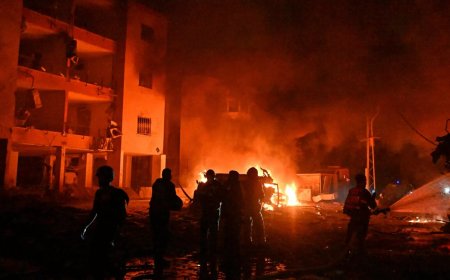
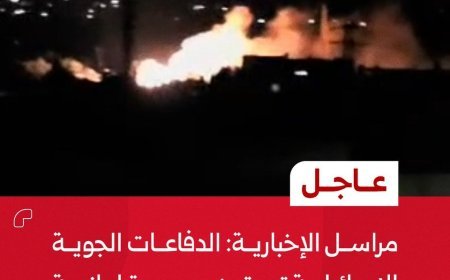
The ongoing conflict between Iran, the United States, and Israel saw new high-intensity episodes on Friday, with direct attacks in southern Iran, security alerts at British facilities in the Mediterranean, and visual evidence of damage to advanced missile defense systems in Middle Eastern countries. Around 17:13 UTC (14:13 Brasília time), explosions were reported in the Khayyam neighborhood of Shiraz city, Fars province, southern Iran. Iran.
The area is known for housing facilities of the Islamic Revolutionary Guard Corps (IRGC), the Basij paramilitary force, and IRGC intelligence units. Local sources and real-time monitoring indicate that the targets were military bases, amidst the ongoing bombing campaign attributed to the US-Israeli coalition against Iranian infrastructure. Preliminary reports mention damage to sensitive structures, although there is no immediate confirmation of casualties or the full extent of the destruction.
Almost simultaneously, air raid sirens sounded at the British air base RAF Akrotiri in southern Cyprus, a sovereign territory of the United Kingdom. The activation of the sirens, confirmed by local authorities and the administration of the British bases, signals an ongoing security threat in the region, possibly linked to the proximity of the theater of operations in the Levant and Eastern Mediterranean. No direct impacts on the base have been reported so far, but the incident reinforces the geographical expansion of risks associated with the conflict. Satellite images analyzed by military experts reveal significant damage to THAAD (Terminal High Altitude Area Defense) radar systems, operated or supported by the US. A THAAD radar at Muwaffaq Salti Air Base in Jordan appears destroyed, with impact craters, debris, and burn marks visible in photos dated early March.
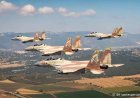
Two other similar radars, located in the United Arab Emirates, show signs of having been hit, with adjacent structures damaged, although the exact status of the equipment remains not fully confirmed. These radars are crucial for the detection and interception of ballistic missiles, and their neutralization compromises the regional missile defense network. The Israel Defense Forces (IDF) released a statement saying that the Israeli Air Force (IAF) maintains intense operations in western Iran, with attacks targeting ballistic missile launch sites and drone depots. The actions aim to degrade Iran's retaliatory capacity, following hundreds of sorties already carried out since the beginning of the war. Israeli authorities highlight the destruction of launchers and air defense systems as a priority to reduce the volume of Iranian fire against Israel and its allies.
The conflict, which has entered its second week, has already resulted in thousands of deaths and extensive damage to military and civilian infrastructure in multiple countries. The escalation involves direct attacks, regional proxies, and naval and air force projection, with potential impacts on the stability of the Persian Gulf and global trade routes. International organizations are closely monitoring the situation, but there are no signs of imminent de-escalation.
What's Your Reaction?
 Like
0
Like
0
 Dislike
0
Dislike
0
 Love
0
Love
0
 Funny
0
Funny
0
 Wow
0
Wow
0
 Sad
0
Sad
0
 Angry
0
Angry
0











Comments (0)