
The Iranian regime's nuclear and missile capabilities: the main threat to world peace that Israel and the United States are determined to neutralize
The Iranian regime maintains an advanced nuclear capability and a vast arsenal of ballistic missiles that represent the greatest threat to global stability. Under Operation Epic Fury, the United States and Israel are intensifying military actions to dismantle these capabilities and eliminate the risk of nuclear proliferation and terrorist attacks.

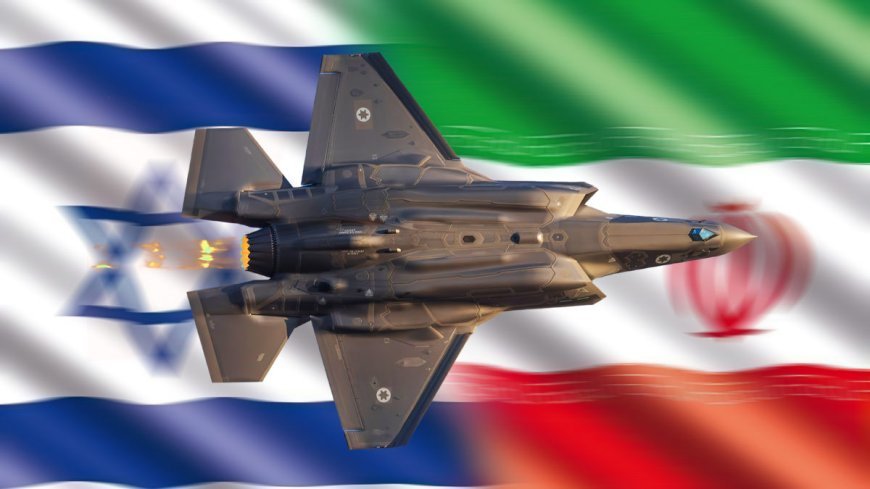
The Iranian nuclear and missile threat: the main risk to world peace that the US and Israel are actively combating.
- The nuclear and The Iranian regime's missile program continues to be considered by experts and Western leaders as the greatest existing threat to global peace and security. With a nuclear program that has amassed uranium enriched to near-weapon-grade levels and a ballistic missile arsenal capable of reaching targets throughout the Middle East and beyond, Iran has positioned its military might as a tool for deterrence, intimidation, and support of regional terrorism.
- Despite setbacks in previous conflicts—including the joint attacks of June 2015 that severely damaged key facilities such as Natanz and Fordow—the regime has attempted to rebuild and expand its capabilities. The stockpiling of enriched uranium, the refusal to allow full inspections by the International Atomic Energy Agency (IAEA), and the accelerated development of medium- and long-range missiles (such as the Sejil, Emad, Ghadr, and Khorramshahr, with ranges of up to 2,000–2,500 km) keep alive the concern that Iran could cross the nuclear threshold in the near future, destabilizing not only the region but also the global balance. In response, the United States and Israel launched Operation Epic Fury, a coordinated military campaign initiated on February 28, 2026, with the explicit objective of neutralizing this threat at its root. The actions include precision strikes against nuclear facilities (such as Natanz, where damage to underground access points and key buildings has been reported), ballistic missile bases, launchers, drone depots, and command centers of the Islamic Revolutionary Guard Corps (IRGC).
- To date, it is estimated that hundreds of missile launchers have been destroyed, drastically reducing Iran's capacity to carry out massive barrages against Israel, US bases in the Gulf, or regional allies. President Donald Trump has emphasized that the operation aims to "ensure that Iran never obtains a nuclear weapon" and "destroy its ballistic missile arsenal," labeling the regime the world's leading sponsor of terrorism. For its part, Israel has stressed that the strikes are preemptive and necessary to eliminate an existential risk, following years of ignored warnings and rejections of diplomatic proposals demanding the complete dismantling of sensitive facilities.
- The IAEA has confirmed damage to some nuclear sites with no immediate radiological consequences, while the Iranian regime maintains that its program is peaceful, although its stockpile of uranium enriched to 60% and the lack of transparency surrounding past weaponization activities raise serious international concerns. Analysts agree that the combination of advanced enrichment and missiles capable of carrying warheads represents the most serious threat to nuclear nonproliferation since the Cold War. As attacks continue to degrade Iranian air defenses, navy, and proxy networks, the operation seeks not only to limit current capabilities but also to prevent any future rebuilding.
- Success in this neutralization could mark a turning point in global security, reducing the risk of a nuclear arms race in the Middle East and weakening Iranian support for terrorist groups operating from Lebanon to Yemen. The international community is watching closely: for some, it is a legitimate defensive action against an imminent threat; for others, a risk of regional escalation. What is undeniable is that Iran's nuclear and missile capabilities have been the main catalyst for the current crisis, and the determination of the United States and Israel to dismantle them seeks to ensure that this threat is contained.
What's Your Reaction?
 Like
0
Like
0
 Dislike
0
Dislike
0
 Love
0
Love
0
 Funny
0
Funny
0
 Wow
0
Wow
0
 Sad
0
Sad
0
 Angry
0
Angry
0














Comments (0)