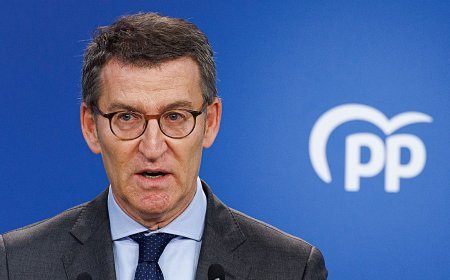















Sánchez Says: Women's rights are not important, let the dictators kill women however they want, we can't intervene because it's their culture.
Pedro Sánchez faces criticism after statement interpreted as relativistic: "women's rights are not an absolute priority when they clash with the culture of authoritarian regimes." Opposition accuses him of complicity; government denies and speaks in defense of peace. Analysis.
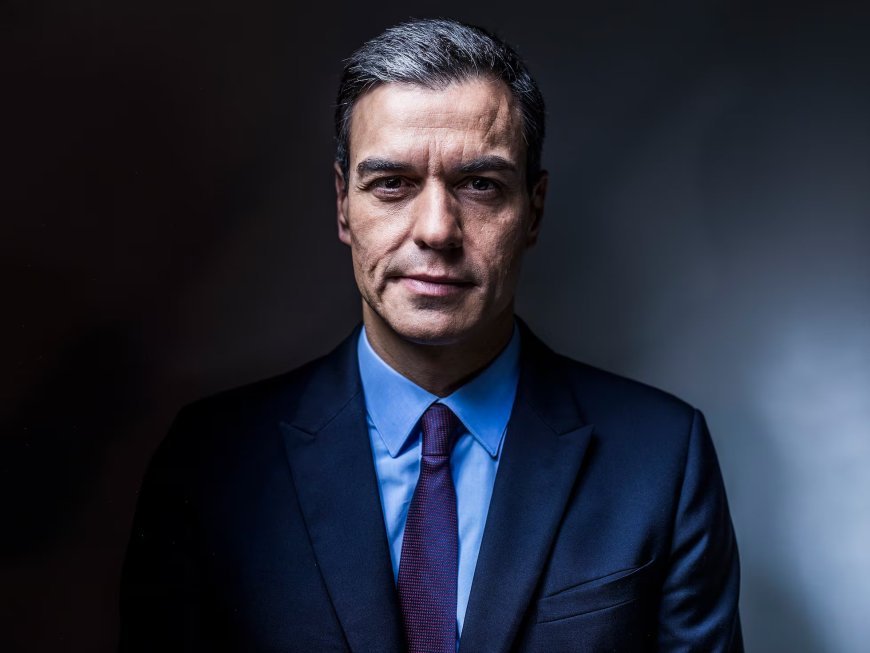
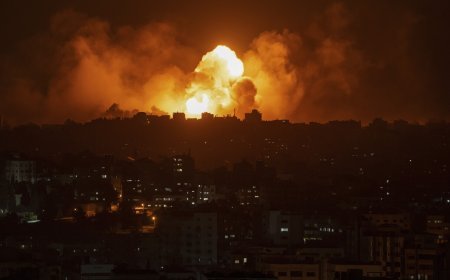
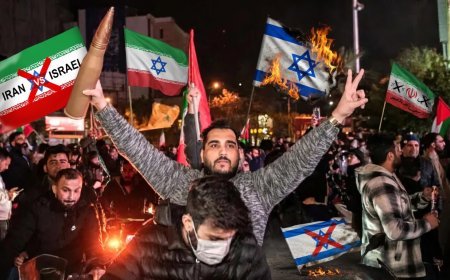
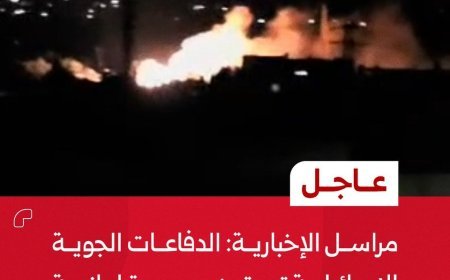
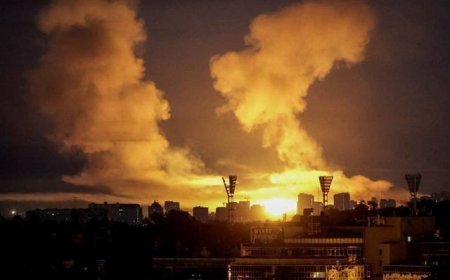
- A phrase attributed to the President of the Spanish Government, Pedro Sánchez, has reignited intense controversy in recent days and placed at the center of the political debate the tension between the universal defense of human rights and respect for the cultural sovereignty of authoritarian regimes.During an institutional event before March 8th, Sánchez stated, in the context of military escalation in the Middle East and criticism of the intervention of the United States and Israel against Iran: “Women's rights are fundamental, but we cannot use their defense as "We are not limited to unilateral wars.
- We do not intervene militarily in every regime because its culture or its way of organizing society is different from ours. Letting dictators treat women in the way they see fit within their cultural sovereignty is part of the principle of non-intervention that governs international law.” The statement, captured on video and widely disseminated on social media, was interpreted by sectors of the opposition and by feminist activists as an unacceptable relativization: “Women’s rights are not important; let dictators kill women however they want, we cannot intervene because it is their culture.” This viral paraphrase—though not literal—gained traction after posts by leaders of the PP and Vox parties, and figures like Isabel Díaz Ayuso, who called Sánchez "the useful idiot of dictatorships" and accused the government of abandoning Iranian and Afghan women in the name of "selective pacifism.
- The Moncloa Palace responded quickly with an official statement: "The president reaffirmed his absolute commitment to women's rights worldwide, but warned against the military instrumentalization of these rights. Spain condemns the repression of women in Iran, Afghanistan, and any regime, and works diplomatically for their liberation—which does not equate to supporting military invasions that cause more civilian suffering." The controversy occurs at a sensitive time. Four days before International Women's Day, the government is preparing feminist protests while facing accusations of inconsistency: on the one hand, Sánchez defends the constitutional protection of abortion and gender equality policies in Spain; On the other hand, his refusal to support armed actions against Tehran and his emphasis on “respect for cultural differences” in foreign policy are interpreted by critics as a form of moral relativism.
- Organizations such as Amnesty International and Human Rights Watch, without directly citing Sánchez, have reiterated in recent days that “women’s rights are universal and indivisible; no culture, religion or tradition can justify their systematic violation.” Meanwhile, Spanish feminist groups such as the Feminist Forum and the World March of Women have called for demonstrations demanding that the Spanish government “cease being complicit by omission” and promote harsher sanctions against regimes such as the Taliban and Iran. Political analysts consulted point out that Sánchez’s statement reflects the traditional line of European social democracy: the primacy of diplomacy and multilateralism over unilateral armed interventions. However, in a context of growing global sensitivity to the cause of women in theocratic regimes—symbolized by the “Women, Life, Freedom” protests in Iran and the total ban on female education in Afghanistan—the declaration sounds to many like a step backward in the fight for the effective and unconditional application of human rights.
- The opposition has already announced that it will take the issue to Congress and the Senate, demanding the urgent appearance of the Foreign Minister and the President himself for clarification. Meanwhile, on the streets, March 8th, 2026 promises to be marked not only by the domestic agenda, but also by international scrutiny regarding the extent to which “culture” can be invoked to justify the inexcusable.
The editorial team continues to monitor reactions and any official corrections.
What's Your Reaction?