














The Cuban Dictatorship Announces Its “Perestroika”: Opening Up to Exiles for Businesses, Banks, and Land – A Desperate Measure Reminiscent of the Beginning of the End of the USSR
In a national television broadcast, the Cuban regime announced a series of measures allowing Cuban exiles (without legal residency on the island) to participate as owners or partners in private companies, open bank accounts in foreign currency, obtain usufruct rights to land, and partner with state or private entities, including in large infrastructure projects. Analysts and exiles see the package as a desperate “Cuban Perestroika” to attract capital in the face of total economic collapse, similar to Gorbachev’s reforms that accelerated the fall of the Soviet Union. The announcement comes amid blackouts lasting up to 20 hours and secret negotiations with the United States.
In a televised address during prime time, the regime of Miguel Díaz-Canel announced a package of economic measures that, for the first time since 1959, allows Cuban exiles (without effective residency on the island) to become owners or partners in private companies, participate in the financial system, open foreign currency accounts, and obtain land usufruct rights. The announcement has been described by opposition members, exiles, and analysts as “Cuban Perestroika”: a belated and desperate reform that, like Mikhail Gorbachev’s in the USSR, could accelerate the system’s collapse rather than save it. The main provisions approved by decree are:
- Cuban exiles will be able to own or be majority shareholders of private companies in Cuba, without needing residency on the island.
- They will be able to partner with Cuban private companies in any sector, including large infrastructure projects and strategic businesses (not just micro, small, and medium-sized enterprises).
- They will be able to participate in the financial and banking system: opening foreign currency accounts in Cuban banks and accessing the payment system.
- They will be able to use land for exiles who invest in agricultural production or related projects.
- They will be able to form direct alliances between exiles and Cuban state or private entities, even in sectors previously reserved for the state.
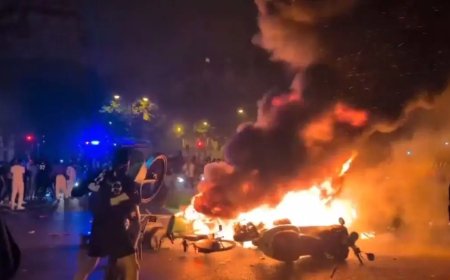
The regime presented the measures as an “updating of the economic model” to attract “compatriotic capital” and alleviate the energy and food crisis. However, the opposition in exile and dissidents on the island interpret these measures as a tacit acknowledgment of the total failure of socialism and an attempt to provide financial relief before an inevitable collapse. “It’s the Cuban Perestroika: they’re opening the door because they no longer have anything to lock it with,” declared opposition leader Manuel Cuesta Morúa from Havana.
In Miami, exile leaders like Orlando Gutiérrez Boronat warned that “Castroism doesn’t reform, it collapses,” and that any investment at this time would be “financing repression and prolonging the agony.” The announcement comes at the worst moment of the recent Cuban crisis: blackouts of up to 20 hours a day, endless lines for food, repressed protests, and a mass exodus of the population. Diplomatic sources in Washington confirm that the measures are part of secret negotiations with the Trump administration, which has conditioned any relief from sanctions or oil supplies on profound political changes—including the departure of Díaz-Canel.
Independent economists estimate that, without genuine market liberalization and full guarantees of private property rights, the measures will attract very little real capital and will primarily serve to launder funds for regime front men and cronies. “It’s cosmetic to buy time,” summarized Cuban economist Omar Everleny. Meanwhile, on social media and among the diaspora, the phrase “Cuban Perestroika” went viral, along with memes comparing Díaz-Canel to Gorbachev and Cuba to the USSR of 1989-1991. Many see the decree not as a reform, but as the beginning of the end.
What's Your Reaction?