
The Moon Has Color: The Artemis II Mission Reveals Its True Hidden Palette
Although the Moon appears gray to the naked eye, images captured by the Orion spacecraft of the Artemis II mission reveal its true palette of colors: blues from titanium, oranges from ancient volcanic rocks, and marked differences in iron between the near and far sides. The mission also broke the record for the greatest distance a human has traveled from Earth.

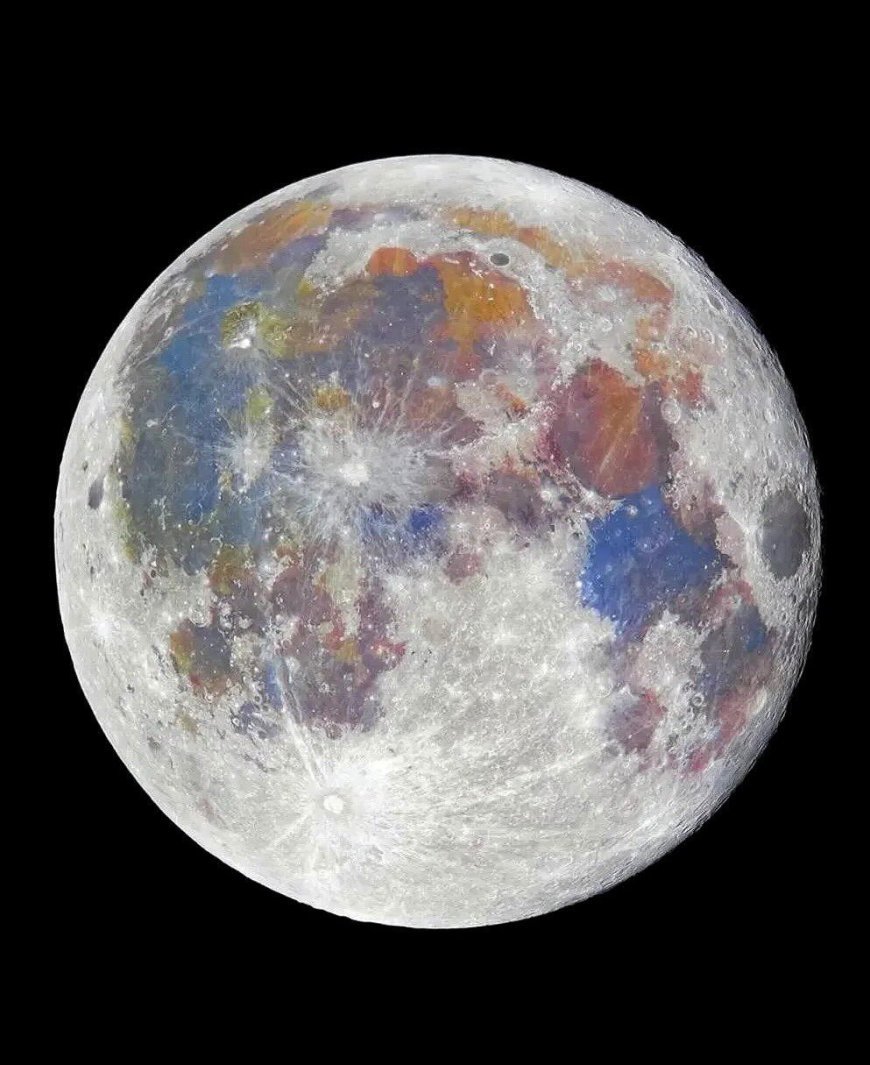
- Although for centuries we have perceived it as a gray and monochromatic celestial body, the Moon possesses a rich palette of colors that is only made visible with the right technology. The stunning images captured by the Orion spacecraft during the Artemis II mission have revealed blue hues caused by high concentrations of titanium, oranges from ancient volcanic rocks, and striking differences in iron distribution between the near and far sides of the Moon. “The colors were always there. We just needed the right way to see them,” commented one of the mission engineers, reflecting the surprise of many upon discovering the true chromatic diversity of the satellite.
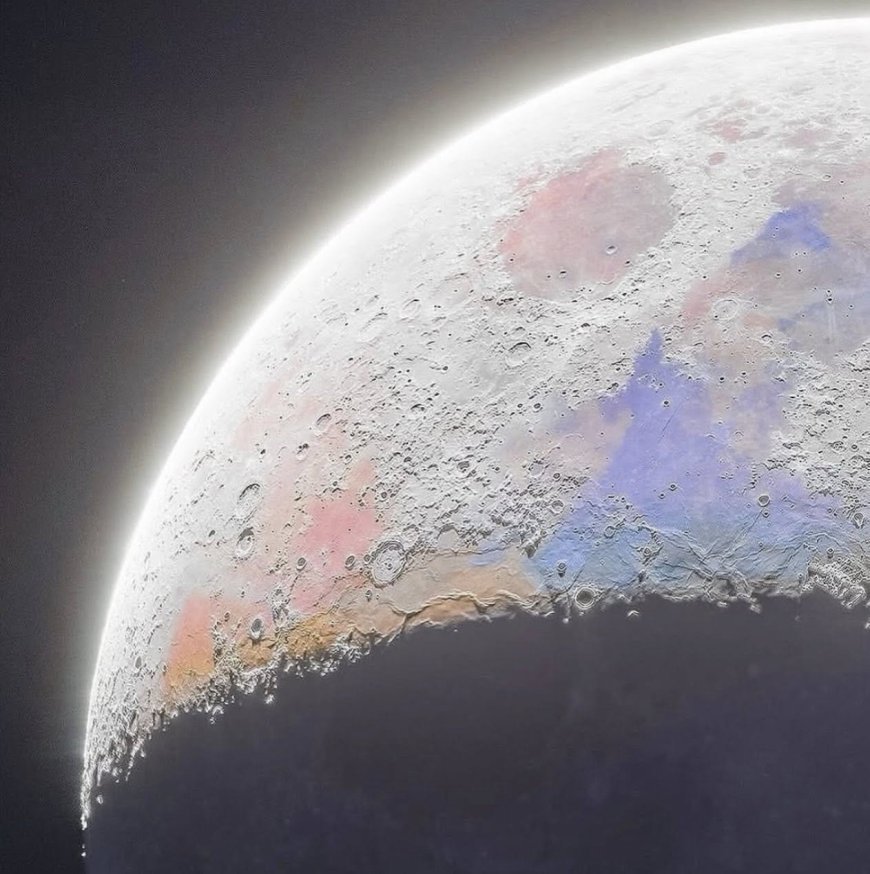
- The Artemis II mission, which took four astronauts on a journey around the Moon, not only broke the all-time record for the greatest distance a human has traveled from Earth, but also provided invaluable scientific data. Orion's multispectral cameras captured mineral variations that the human eye cannot perceive due to the intense reflection of sunlight on the lunar surface. The blue tones correspond primarily to ilmenite (a titanium-rich mineral), while the orange and reddish hues indicate ancient basalts with higher iron content. The far side shows a slightly different composition, with a greater presence of certain minerals, confirming that the two sides of the Moon have distinct geological histories.
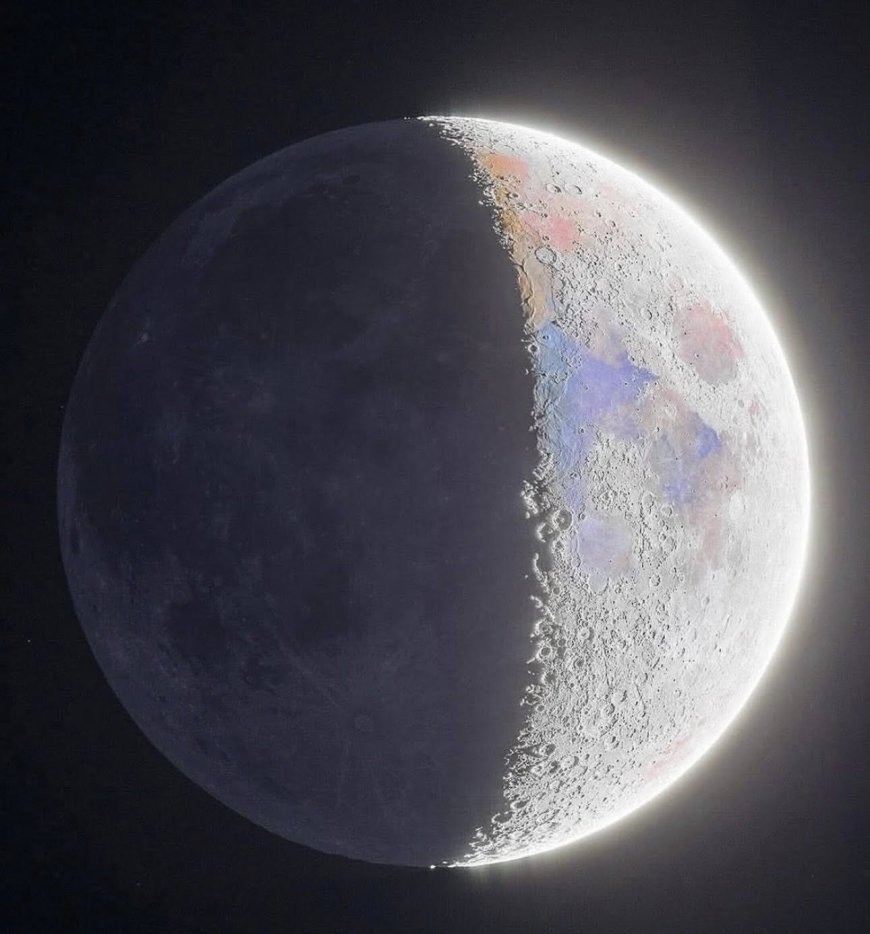
- This finding has not only scientific value but also poetic value: it reminds us that many things in life—and in the universe—possess a beauty and complexity that are not always apparent at first glance. Only with the right tool or perspective can we discover their true color. NASA has begun publishing the processed images, and more data is expected to be released in the coming weeks, allowing scientists and the general public to explore the “Moon in color.”
What's Your Reaction?
 Like
0
Like
0
 Dislike
0
Dislike
0
 Love
0
Love
0
 Funny
0
Funny
0
 Wow
0
Wow
0
 Sad
0
Sad
0
 Angry
0
Angry
0
















Comments (0)