
El Salvador Approves Life Imprisonment for Rapists: Bukele Fulfills His Promise and Toughens Penalties Against Sexual Offenders
On March 22, 2026, the Legislative Assembly of El Salvador approved a reform to the Penal Code establishing life imprisonment with the possibility of parole for rapists, especially in cases of aggravated rape, rape of minors, gang-related sexual violence, or recidivism. The measure, promoted by President Nayib Bukele, fulfills a campaign promise and responds to public outcry following numerous brutal cases of sexual violence. The left-wing opposition criticized the reform as “populist and authoritarian,” but the initiative was approved by a wide majority thanks to the ruling party's control of the legislature.

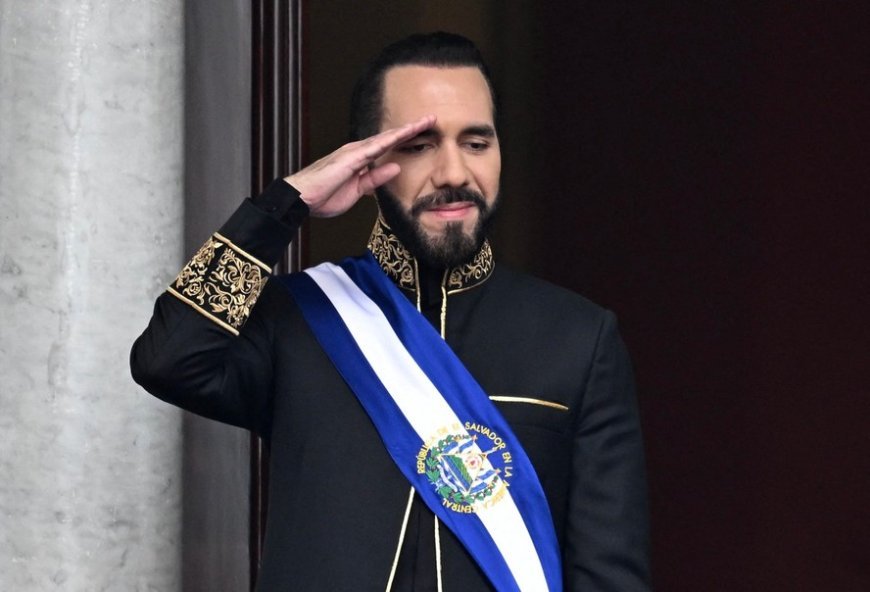
- With 67 votes in favor and only 8 against, the Legislative Assembly, controlled by Nuevas Ideas, approved this afternoon the reform to the Penal Code that introduces life imprisonment with review for sexual offenders in El Salvador. The measure, signed by President Nayib Bukele in a national address hours later, establishes penalties of up to life imprisonment (reviewable after 30 years) for crimes of aggravated rape, rape of minors, sexual violence in a gang context, multiple recidivism, or cases involving extreme cruelty.
- The reform modifies Articles 158, 159, and 160 of the Penal Code and includes specific aggravating factors: if the victim is under 12 years old, if weapons or drugs are used to subdue the victim, if the aggressor belongs to a criminal organization, or if the crime results in serious injury or death. Bukele celebrated the approval on social media: “Today El Salvador says NO MORE to rapists. Life imprisonment for anyone who destroys the life of a girl, boy, or woman. Real justice, not empty rhetoric.” The initiative comes after a wave of femicides and brutal rapes in 2025–2026 that shocked the country.
- Cases like the rape and murder of a 10-year-old girl in Soyapango and a series of gang-related attacks sparked massive protests and demands for a crackdown. Bukele, who had already promised “life imprisonment for rapists” during his campaign, accelerated the reform in response to popular outcry. The left (Farabundo Martí National Liberation Front and its allies) voted against it and accused the government of “punitive populism” and “authoritarianism disguised as justice.” However, the measure received broad support from independent sectors and even some opposition members of parliament who recognized “the need to protect victims.” International human rights organizations expressed concern about the potential for arbitrary application and the lack of due process, but the majority of the Salvadoran population celebrated the decision: quick polls show over 85% approval.
- President Bukele signed the decree immediately and announced that the first implementation would be “without exceptions or privileges.” The reform adds to Bukele’s other hardline policies: a permanent state of emergency, mega-prisons, and total control of Congress. Analysts see the measure as a new chapter in his security strategy, which combines populism, visible results, and massive popular support, while the opposition grows increasingly weakened.

What's Your Reaction?
 Like
0
Like
0
 Dislike
0
Dislike
0
 Love
0
Love
0
 Funny
0
Funny
0
 Wow
0
Wow
0
 Sad
0
Sad
0
 Angry
0
Angry
0
















Comments (0)