































Myanmar in crisis after devastating 7.7 earthquake: More than 2,000 dead and despair in the streets
The 7.7 magnitude earthquake in Myanmar leaves more than 2,000 dead, collapsing the country's infrastructure and unleashing a humanitarian crisis.

Myanmar is facing one of its worst tragedies in recent history after the devastating 7.7 magnitude earthquake, which has left more than 2,000 dead and thousands injured across the country. While rescue efforts continue, survivors struggle with scarce resources, lack of medical care, and fear of further aftershocks.
The disaster in numbers
Magnitude: 7.7 on the Richter scale
Deaths: More than 2,000 people, according to preliminary reports
Injured: Thousands
Infrastructure: Hospitals collapsed, roads impassable, and power outages in several cities
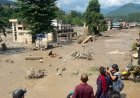
The epicenter of the earthquake was located in the Sagaing region, a densely populated area, and its effects were felt as far away as Bangkok, Thailand. Witnesses describe scenes of chaos, with buildings collapsing and families trapped in the rubble.
Rescue against the clock
Emergency teams are working tirelessly, but the lack of heavy machinery and destroyed roads are hampering their efforts. "We are digging with our bare hands. We have no other option," said a volunteer in Mandalay.
Furthermore, the constant aftershocks are generating panic among the population and have forced thousands of people to sleep in the streets, fearing the collapse of their homes.
International Response
Given the magnitude of the disaster, several countries have offered their help:
China sent a search and rescue team, as well as medical supplies.
India offered emergency equipment and financial assistance.
Russia deployed a contingent of doctors and disaster experts.
However, the political crisis in Myanmar, controlled by a military junta since the 2021 coup, is complicating the arrival of foreign aid. Humanitarian organizations have demanded unrestricted access to the affected areas.
Fear Persists
Meanwhile, thousands of families are trying to survive with scarce resources, taking refuge in makeshift camps and with very limited access to clean water, food, and medical care.
"We lost everything. Our house collapsed. We don't know what to do," said a mother on the streets of Naypyidaw.
As time progresses, the death toll continues to rise, and the international community is watching this catastrophe unfold with concern.
What's next?
Rescue efforts are expected to intensify in the coming days, with more countries offering humanitarian aid. However, Myanmar's recovery will be a long and painful process.
???? We will continue to report on the developments of the crisis in Myanmar.
La tragedia crece tras el #terremoto de 7.7 que dejó más de 2 mil muertos en #Myanmar. Mientras las labores de rescate continúan, los sobrevivientes enfrentan la escasez de recursos y el miedo a las réplicas. Países como China, Rusia e India han levantado la mano para brindar… pic.twitter.com/AVephNfec2 — K13 News (@K13News) April 1, 2025
What's Your Reaction?