



























United States Demands Resignation of Cuban President Miguel Díaz-Canel
The Trump administration has conditioned any agreement or sanctions relief with Cuba on the departure of President Miguel Díaz-Canel, according to The New York Times and sources close to the State Department. The demand is part of secret negotiations between Washington and Havana to resolve the energy and political crisis on the island, amid pressure from the oil embargo and the regional escalation with Iran. Díaz-Canel confirmed the talks but rejected any interference in Cuban sovereignty.
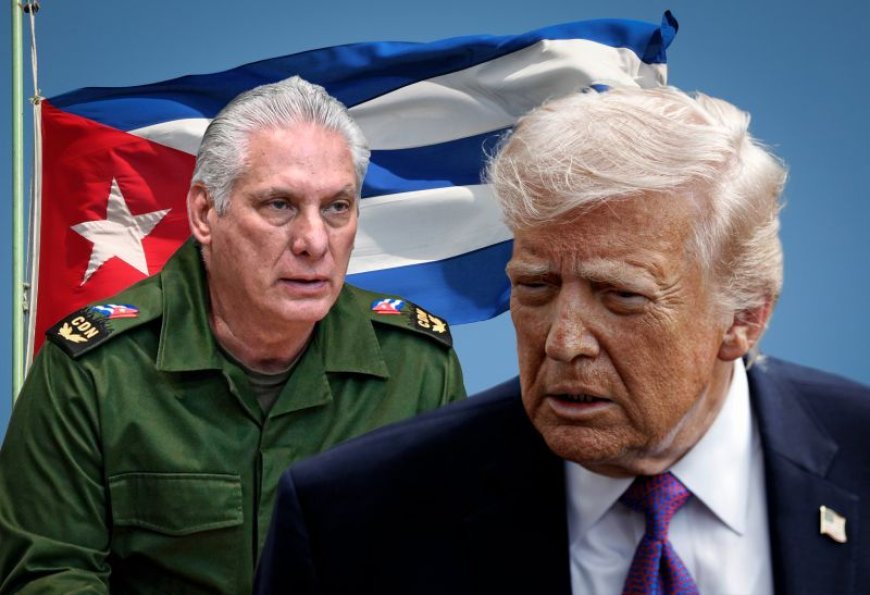
- The Trump administration has demanded the resignation of Cuban President Miguel Díaz-Canel as a condition for advancing any bilateral agreement or significant sanctions relief, according to The New York Times and State Department sources cited by US media. The request is part of secret negotiations between Washington and Havana, confirmed by Díaz-Canel himself, aimed at resolving the island's severe energy and humanitarian crisis. In a report published this week, The New York Times detailed that high-level officials in the Trump administration consider Díaz-Canel a "structural obstacle" to real economic reforms and political changes in Cuba.
- Diplomatic sources indicated that the president's departure would be seen as a sign of willingness to move toward a less authoritarian model, facilitating negotiations for oil supplies and a possible partial lifting of the embargo. The demand intensified following the regional escalation with Iran and the involvement of Cuban proxies in allied conflicts.
- Díaz-Canel publicly acknowledged the talks with U.S. officials, stating that they are seeking "solutions through dialogue to bilateral differences." However, he rejected any conditions that imply interference in Cuban sovereignty, insisting that Cuba "does not relinquish its sovereign right" to receive oil supplies and that the talks do not include leadership changes. The president blamed the U.S. “blockade” for the massive blackouts and economic paralysis, but admitted that the talks include both short- and long-term issues. The Cuban opposition and exiles in Miami celebrated the news as a historic breakthrough, while the regime and its allies called it a “disinformation campaign” and “imperialist pressure.”
- Analysts in Washington point out that Trump is trying to use the Cuban crisis as a “success” example of his maximum pressure policy against leftist regimes, similar to what happened in Venezuela. The cessation of oil shipments from Venezuela and other allies, combined with strengthened sanctions, has led to blackouts of up to 20 hours a day in Cuba, repressed protests, and economic collapse. Sources from the Miami Herald and Polymarket indicate that the probability of Díaz-Canel leaving power before 2027 exceeds 67%, according to prediction markets. So far, the State Department has not officially confirmed the demand for his resignation, but the tone of the negotiations suggests that Washington will not accept agreements without significant political concessions. Havana maintains that any dialogue must respect “sovereignty and self-determination.”
What's Your Reaction?