
























Israeli Army Launches New Wave of Airstrikes Against Iranian Regime Infrastructure in Tehran and Isfahan
The Israel Defense Forces (IDF) announced the start of a new, broad wave of airstrikes targeting Iranian regime infrastructure in the cities of Tehran and Isfahan. The operation, which includes dozens of military and command targets, comes in the second week of the joint US-Israeli war against Iran, with reports of explosions in the capital and at key facilities across the country.

The Israel Defense Forces (IDF) announced the launch of a new broad wave of airstrikes against Iranian regime infrastructure targets in the capitals Tehran and Isfahan, deepening the military campaign that is already entering its second week. The official IDF statement describes the operation as targeting the “infrastructure of the Iranian terrorist regime,” focusing on military, command, and logistical support facilities.
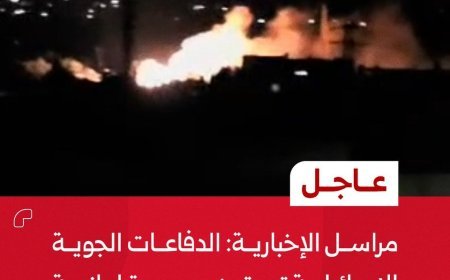
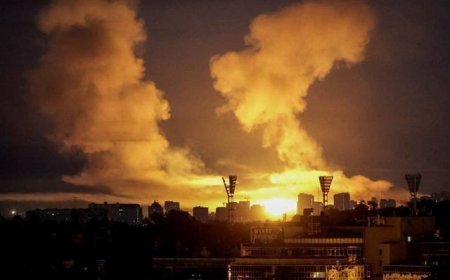
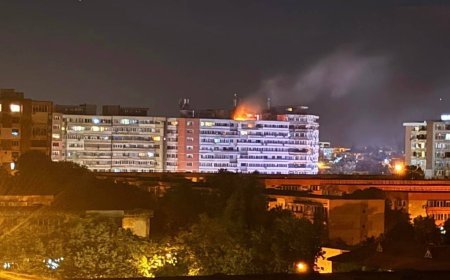
According to the Israeli military spokesperson, the current wave – considered one of the most extensive since the beginning of the conflict on February 28 – involved dozens of combat aircraft, including F-35 and F-15 fighter jets, which struck targets in Tehran (including military fuel depots, underground command centers, and facilities near Mehrabad airport) and Isfahan (with emphasis on F-14 Tomcat aircraft hangars, air defense radars, and missile production and storage facilities). Witness accounts and Iranian media confirm intense explosions in the capital during the early morning hours of Saturday, with plumes of smoke visible in industrial and military areas in southern and eastern Tehran.
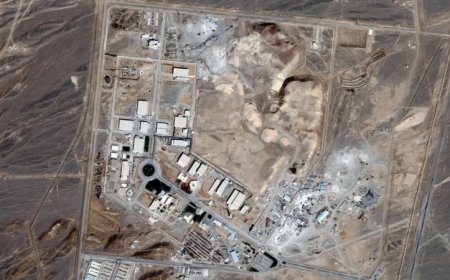
This action follows previous waves that have already destroyed secret nuclear facilities near Tehran, Ghadr missile bases in Isfahan, and other strategic assets. Iranian Prime Minister Benjamin Netanyahu stated that the attacks aim to “continue with full force” until they achieve the objectives of destabilizing the regime and neutralizing Iranian retaliatory capabilities. “We will have many surprises in the next phase,” Netanyahu declared, signaling a possible expansion of targets. On the Iranian side, authorities report significant damage to fuel depots and military installations, with fires reported in Tehran. The Islamic Revolutionary Guard Corps (IRGC) has promised retaliation, including against Israeli targets and possibly Gulf allies, although it has indicated that direct attacks on Gulf states may be suspended if there are no provocations originating there.
The conflict has already caused more than a thousand deaths in Iran, according to official sources, and has led to the paralysis of air traffic and disruptions in communication services. The joint US-Israeli campaign, initiated after the assassination of the Iranian supreme leader in February, maintains air superiority over Tehran and continues to degrade Iranian missile and drone capabilities. Analysts warn that the intensification of bombings in urban areas increases the risk of civilian casualties and could complicate ceasefire negotiations, while the price of oil remains volatile above $90 a barrel due to disruptions in the Gulf. To date, there is no independent confirmation of specific casualties or the full extent of the damage, but the pattern of attacks suggests a continued focus on weakening the Iranian regime's response capacity.
What's Your Reaction?