



















Iranian Drone Attacks PDKI Peshmerga Unit in Iraqi Kurdistan; No Casualties Reported
An Iranian-made drone struck a position of Peshmerga forces affiliated with the Democratic Party of Iranian Kurdistan (PDKI) in northern Iraq, in the Iraqi Kurdistan region. The attack occurred without causing casualties, according to initial reports from Kurdish sources. The incident reflects the continuation of Iranian retaliatory actions against exiled Kurdish opposition groups in Iraq.
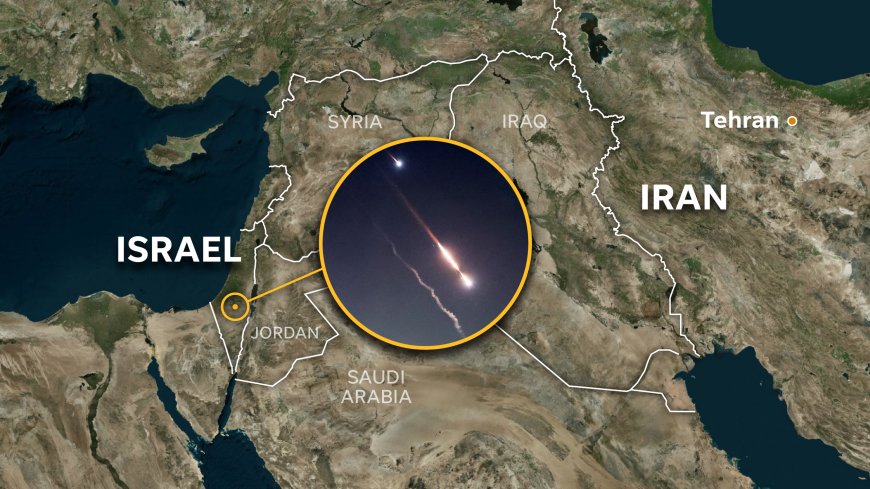
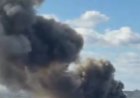
An Iranian-made drone struck a position of the Peshmerga forces of the Iranian Kurdistan Democratic Party (PDKI, also known as KDP-I) in northern Iraq, in the Iraqi Kurdistan Region. The attack, which occurred on Saturday night, resulted in no fatalities or injuries, according to Kurdish security sources and the PDKI itself. According to a statement issued by the PDKI, the drone – likely a Shahed or Mohajer type, operated by the Islamic Revolutionary Guard Corps (IRGC) – launched a projectile against a Peshmerga base located in a mountainous area near the Iran-Iraq border, in the province of Erbil or Sulaymaniyah.
The impact caused limited material damage to structures and equipment, but all fighters present managed to take cover in time, avoiding casualties. “The Iranian regime continues its policy of cross-border terrorism against the Kurdish people and their defenders,” the PDKI stated in an official note, condemning the attack as “yet another attempt to silence the struggle for freedom in Eastern Kurdistan.” The PDKI, one of the main Iranian Kurdish opposition parties, has maintained bases and training camps in northern Iraq since the 1980s, where it shelters Peshmerga fighters who operate against the Tehran regime. Iran accuses the group of “separatist and terrorist” activities and has carried out multiple cross-border operations against the PDKI and other Kurdish groups (such as PJAK and Komala) in recent years, including drone strikes, artillery fire, and ground incursions.
The incident occurs in parallel to the ongoing war between Iran, the United States, and Israel, with Tehran intensifying actions against targets perceived as internal threats or Western proxies. Kurdish and Iraqi intelligence sources indicate that the attack may be a direct retaliation for the indirect participation of Kurdish fighters in intelligence operations or logistical support against Iranian targets, although the PDKI denies active involvement in the larger conflict. The Iraqi Kurdistan Regional Government (KRG) has not officially commented on the incident, but authorities in Erbil maintain channels of dialogue with Tehran to avoid escalation.
The PDKI, in turn, called for greater international protection for its positions and condemned the silence of Baghdad and the international community in the face of “systematic Iranian attacks on Iraqi soil.” Analysts note that, despite the absence of casualties, the attack demonstrates the persistence of the Iranian strategy of neutralizing exiled Kurdish opposition groups, even amidst the wider war. The absence of casualties may be attributed to improved warning and dispersal measures adopted by the PDKI's Peshmerga forces after previous incidents.
What's Your Reaction?